
Lebanon Lawn Mowing Services
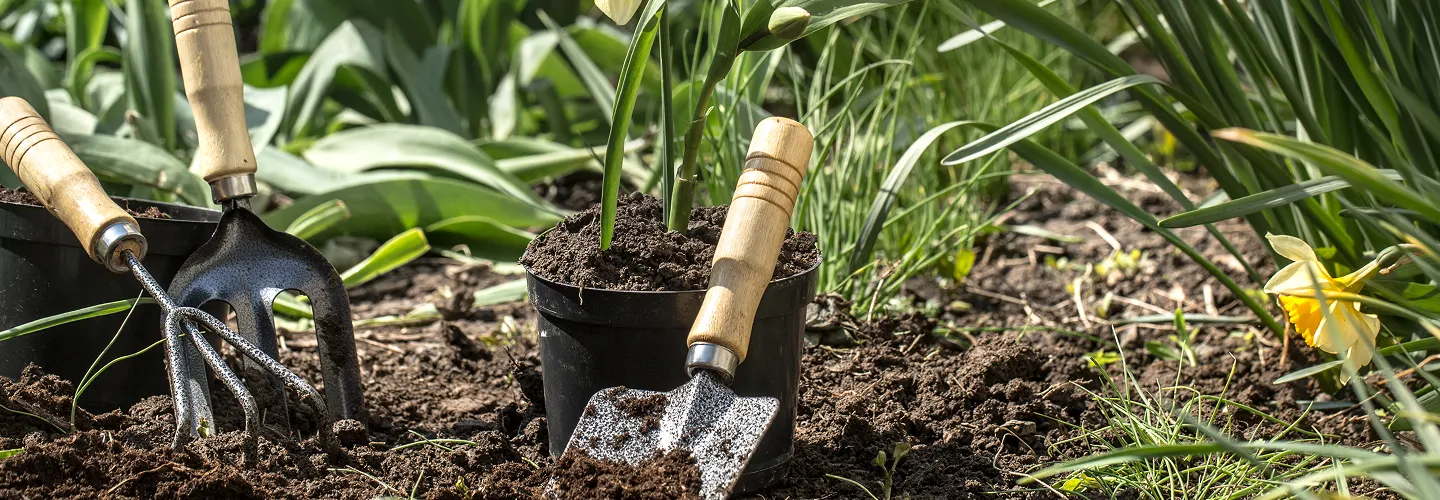
Choose our lawn mowing services for reliable, professional care that keeps your yard looking its best all season long. We combine local expertise, attention to detail, and top-quality equipment to ensure your lawn is healthy, beautiful, and hassle-free.
Get a Free QuoteOur Lebanon Landscaping & Yard Care Services
When to Schedule Lawn Mowing in Lebanon, Connecticut – Seasonal Guide
In Lebanon, Connecticut, the timing of your lawn mowing routine is shaped by our unique climate and landscape. The growing season typically begins in late April, after the last frost, and extends through October. Early spring mowing helps manage rapid grass growth spurred by warming temperatures and increased rainfall, while late summer and early fall mowing keeps lawns healthy as humidity and precipitation patterns shift. Neighborhoods near Williams Pond or the Lebanon Green may experience slightly different microclimates, with shaded areas requiring less frequent mowing compared to open, sun-exposed lawns.
Local environmental factors play a significant role in determining the best mowing schedule. For example, areas with heavier clay soils, common near Goshen Hill Road, retain moisture longer, which can affect grass growth rates. Conversely, properties with sandy soils or those prone to drought—especially during dry spells in July and August—may need less frequent mowing. It's also important to consider municipal guidelines and local resources, such as those provided by the Town of Sudbury, to stay informed about any seasonal restrictions or recommendations.
Local Factors to Consider for Lawn Mowing in Lebanon
- Tree density and shade coverage (e.g., near the Air Line State Park Trail)
- Soil type and drainage (clay vs. sandy soils)
- Average precipitation and drought risk
- Frost dates and seasonal temperature shifts
- Terrain and slope of your property
- Municipal restrictions or local ordinances
Benefits of Lawn Mowing in Lebanon
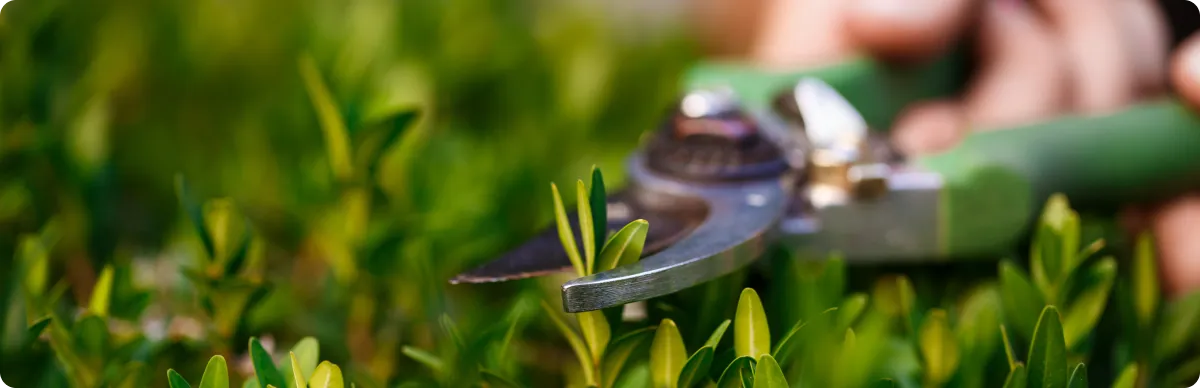
Professional Landscaping Expertise
Consistent Lawn Maintenance
Enhanced Curb Appeal
Time-Saving Services
Reliable Scheduling
Eco-Friendly Lawn Care
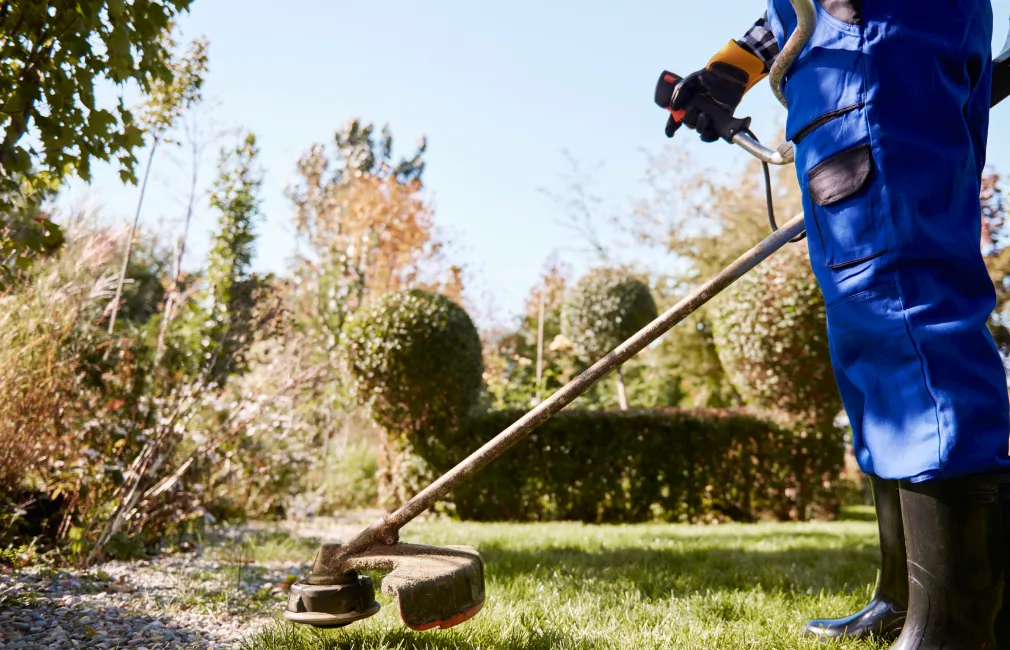
Lebanon Lawn Mowing Types

Standard Lawn Mowing
-
Mulching Mowing
-
Bagging Mowing
-
Striping Mowing
-
Commercial Property Mowing
-
Residential Lawn Mowing
-
Rough Cut Mowing
Our Lawn Mowing Process
Site Evaluation
Lawn Preparation
Mowing Execution
Edging and Trimming
Cleanup
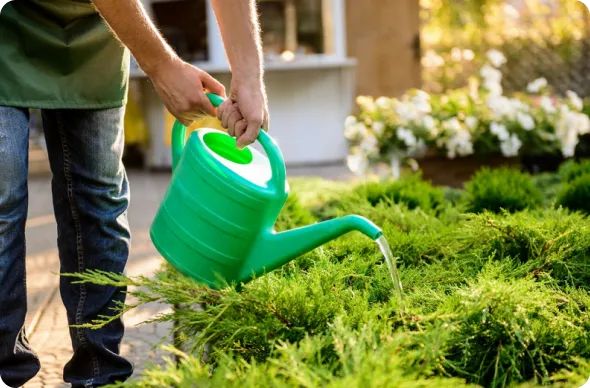
Why Choose Lebanon Landscape Services
-
Lebanon Homeowners Trust Us
-
Expert Lawn Maintenance
-
Reliable Seasonal Cleanup
-
Competitive Pricing
-
Professional Team
-
Satisfaction Guarantee
-
Personalized Service
Lebanon’s Glacial Till Soils and Mowing Practices for Healthy Turf
Lebanon’s predominant soils, including Charlton-Chatfield and Paxton series, are characterized by glacial till, moderate to high stone content, and moderately acidic pH (5.5-6.5). These soils often exhibit poor drainage, especially in low-lying areas, which can lead to compaction and shallow root systems. For optimal turf health, mowing heights should be maintained at 3-3.5 inches for cool-season grasses such as Kentucky bluegrass (Poa pratensis) and perennial ryegrass (Lolium perenne). Core aeration to a depth of 2-3 inches is recommended every 2-3 years to alleviate compaction. Soil testing through UConn Extension is advised to determine lime or compost needs. Avoid mowing when soils are saturated to prevent rutting and soil structure damage. Research local soil characteristics using the USDA Web Soil Survey.
Municipal Lawn Mowing Ordinances and Equipment Operation Hours in Lebanon
Lawn mowing in Lebanon is subject to municipal noise and property maintenance ordinances. Equipment operation is typically permitted during the following hours:
- Monday-Friday: 7:00 AM - 7:00 PM
- Saturday: 8:00 AM - 6:00 PM
- Sunday and holidays: Prohibited Grass height must not exceed 8 inches on developed lots per local code. All commercial mowers must be equipped with functional mufflers, and noise levels should not exceed 85 dB at the property line. For properties adjacent to public roads, maintain a 15-foot safety buffer during mowing. For questions regarding compliance or to report violations, contact:
Lebanon Department of Public Works
579 Exeter Road, Lebanon, CT 06249
Phone: (860) 642-6105
Official Website: Lebanon Department of Public Works
Yard Waste Collection and Clipping Disposal Protocols in Lebanon
Proper disposal of grass clippings and yard waste is essential for environmental compliance in Lebanon. The town provides weekly curbside yard waste collection every Thursday from April through November. Accepted materials include grass clippings, leaves, and brush under 4 feet in length. Residents must use biodegradable paper bags or reusable containers (32-gallon maximum); plastic bags and branches over 4 inches in diameter are prohibited. Clippings must never be deposited in storm drains or wetlands, as this violates the town’s MS4 stormwater permit under the Clean Water Act. For additional guidance, contact:
Lebanon Department of Public Works
579 Exeter Road, Lebanon, CT 06249
Phone: (860) 642-6105
Official Website: Lebanon Department of Public Works
Environmental Compliance: Wetland Buffers and Stormwater Protection in Lebanon
Lawn mowing near Lebanon’s wetlands, streams, and conservation areas requires strict adherence to buffer regulations. A minimum 25-foot no-disturbance buffer is enforced around all designated wetlands, with a 50-foot setback recommended for fertilizer or pesticide application. The Connecticut Environmental Protection Act and the town’s MS4 permit prohibit the discharge of clippings or chemicals into water bodies. The Lebanon Conservation & Agriculture Commission oversees local enforcement and can provide site-specific guidance.
Lebanon Conservation & Agriculture Commission
579 Exeter Road, Lebanon, CT 06249
Phone: (860) 642-2006
Official Website: Lebanon Conservation & Agriculture Commission
For state-level requirements, consult:
Connecticut Department of Energy and Environmental Protection (CT DEEP)
79 Elm Street, Hartford, CT 06106
Phone: (860) 424-3000
Official Website: Connecticut Department of Energy and Environmental Protection
Seasonal Mowing Timing and Weather Considerations for Lebanon’s Climate Zone
Lebanon is located in USDA Hardiness Zone 6a, with average last frost in late April and first frost in late October. Optimal mowing begins mid-April when soil temperatures reach 50°F and continues through late October. Avoid mowing during periods of drought or when daytime temperatures exceed 85°F to reduce turf stress. The National Weather Service Boston/Norton office provides local weather updates for scheduling. Recommended mowing frequency is weekly during peak growth (May-June, September) and biweekly during summer dormancy. Blade sharpening is advised every 20-25 hours of use for clean cuts. For weather-based scheduling, consult the National Weather Service.
What Neighborhoods Do We Serve Throughout Lebanon, CT?
- Lebanon Green Historic District: Features mature trees and historic properties with compacted glacial till soils, requiring careful mowing to avoid root damage and compliance with local preservation standards.
- North Lebanon: Characterized by larger lots, higher water tables, and proximity to wetlands, necessitating strict buffer compliance and attention to drainage during mowing operations.
- South Lebanon: Includes newer subdivisions with improved drainage but denser development, where noise ordinance enforcement and equipment access are key considerations.
- West Lebanon: Rural properties with sloped terrain and mixed forest edges, presenting challenges for mower stability and increased debris management needs.
- Village Hill: Noted for its proximity to protected open space and conservation lands, requiring adherence to setback requirements and careful clipping disposal.
- East Lebanon: Contains a mix of agricultural and residential parcels, with variable soil compaction and occasional access limitations for large mowing equipment.
- Lake Williams Area: Lakeside properties with sandy soils and strict stormwater controls, demanding extra care to prevent runoff and protect water quality.