
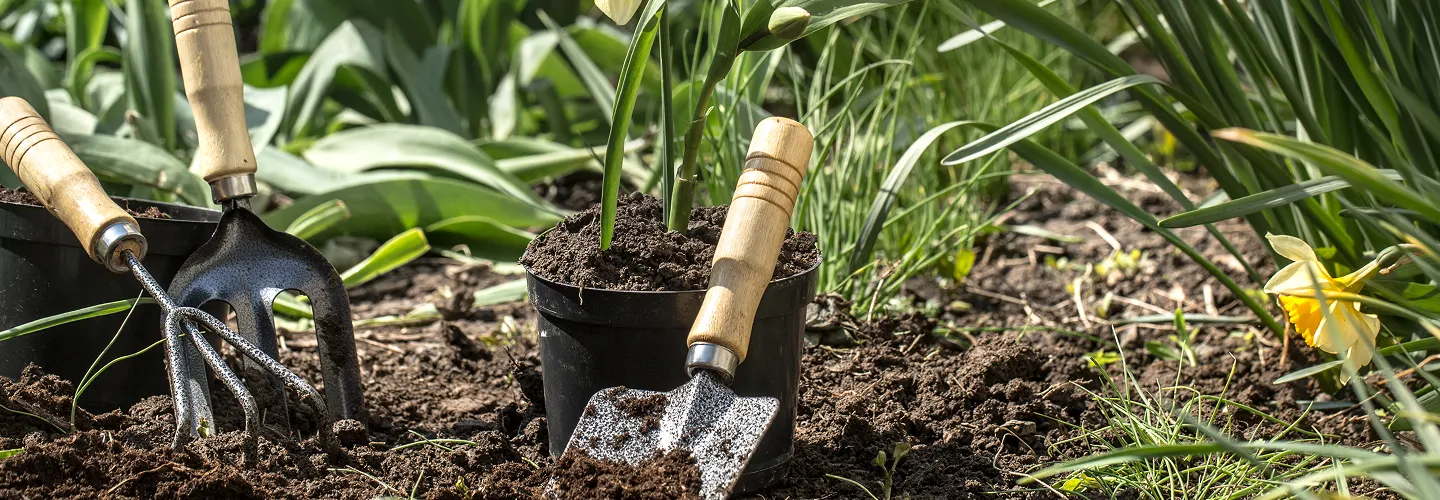
Lebanon Fertilizing Lawn Services
Choose our Fertilizing Lawn services for lush, healthy grass that stands out all season—our expert team uses premium products and proven techniques to give your yard the nutrients it needs to thrive.
Get a Free QuoteOur Lebanon Landscaping & Yard Care Services
When to Schedule Fertilizing Lawn in Lebanon, Connecticut – Seasonal Guide
In Lebanon, Connecticut, timing your lawn fertilization is crucial for achieving a lush, healthy yard that thrives throughout the year. The best periods for fertilizing are typically early spring and early fall, when soil temperatures are moderate and grass roots are most active. Lebanon’s climate, with its cold winters and warm, humid summers, means that lawns benefit from nutrients just as they emerge from winter dormancy and again before the first frost sets in. Neighborhoods near Williams Pond or the Lebanon Green often experience microclimates, so it’s important to consider your property’s unique conditions.
Local environmental factors such as late spring frosts, summer drought risk, and varying soil types—ranging from sandy loam to heavier clay—can all impact the effectiveness of your fertilization schedule. Shaded areas under mature maples or oaks, common in the Village Hill and Goshen Hill Road areas, may require different timing or fertilizer blends. For more information on local regulations and best practices, consult the Sudbury municipal resources.
Local Factors to Consider for Fertilizing Lawn in Lebanon
- Tree density and shade coverage, especially in wooded neighborhoods
- Soil composition and drainage, which can vary across the region
- Average precipitation and risk of summer drought
- Frost dates and seasonal temperature swings
- Terrain and slope, affecting runoff and fertilizer absorption
- Municipal restrictions or guidelines on fertilizer use
Benefits of Fertilizing Lawn in Lebanon

Enhanced Lawn Health
Improved Grass Color
Weed Resistance
Stronger Root Growth
Increased Drought Tolerance
Thicker Turf Coverage
Lebanon Fertilizing Lawn Types

Cool-Season Grass Fertilization
-
Warm-Season Grass Fertilization
-
Organic Lawn Fertilization
-
Slow-Release Fertilizer Application
-
Starter Fertilizer for New Lawns
-
Weed and Feed Treatments
-
Seasonal Fertilizer Programs
Our Fertilizing Lawn Process
Soil Analysis
Fertilizer Selection
Application Scheduling
Even Fertilizer Distribution
Post-Application Inspection
Why Choose Lebanon Landscape Services
-
Lebanon Homeowners Trust Us
-
Expert Lawn Maintenance
-
Reliable Seasonal Cleanup
-
Competitive Pricing
-
Professional Team
-
Satisfaction Guarantee
-
Personalized Service
Soil Series and Fertilizer Application Challenges in Lebanon’s Glacial Till Landscapes
Lebanon’s predominant soils, including Charlton-Chatfield and Paxton series, are characterized by glacial till, moderate to high stone content, and moderately acidic pH (5.5–6.5). These soils often exhibit poor drainage and compaction, especially in developed areas. Effective lawn fertilization requires soil testing—available through UConn Extension—to determine nutrient needs and pH adjustments. Lime applications are recommended for pH below 6.0, while compost incorporation (2–3 inches tilled to 6-inch depth) improves organic matter and drainage. Avoid fertilizer use on saturated soils or within 25 feet of wetlands to prevent runoff. For detailed soil mapping, consult the USDA Web Soil Survey. Coordination with local authorities is essential for properties near protected areas.
Lebanon Conservation & Agriculture Commission
579 Exeter Road, Lebanon, CT 06249
Phone: (860) 642-2006
Official Website: Lebanon Conservation & Agriculture Commission
Seasonal Fertilizer Timing and Weather Considerations for Lebanon Lawns
Lebanon’s USDA Hardiness Zone 6a–6b climate, with average last frost in late April and first frost in late October, dictates optimal fertilizer timing. For cool-season grasses such as Kentucky bluegrass and perennial ryegrass, apply fertilizer in early May (soil temperature 55°F) and again in early September. Avoid fertilization from June through August to reduce heat stress and nutrient runoff risk. Monitor local weather forecasts via the National Weather Service – Boston/Norton Office to avoid application before heavy rain events. Recommended annual nitrogen rates are 2–3 lbs per 1,000 sq ft, split between spring and fall. Soil temperature probes and weather data are critical tools for timing applications and maximizing nutrient uptake.
Lebanon’s Municipal Fertilizer Ordinances, Buffer Zones, and Collection Protocols
Fertilizer use in Lebanon is regulated to protect local wetlands, streams, and groundwater. Municipal ordinances prohibit fertilizer application within 25 feet of wetlands and 50 feet of open water bodies. Grass clippings and yard waste must not be deposited in storm drains or public rights-of-way, in accordance with the town’s MS4 stormwater permit and the Clean Water Act. Yard waste collection occurs every Thursday, April through November, with the following requirements:
- Use biodegradable bags or 32-gallon reusable bins
- No plastic bags or branches over 4 inches in diameter
- Place materials curbside by 7:00 AM on collection day For ordinance details and collection schedules, contact:
Lebanon Department of Public Works
579 Exeter Road, Lebanon, CT 06249
Phone: (860) 642-6105
Official Website: Lebanon Department of Public Works
Environmental Compliance: State and Federal Fertilizer Regulations in Lebanon
All fertilizer applications in Lebanon must comply with the Connecticut Environmental Protection Act and the town’s MS4 stormwater permit. The Connecticut Department of Energy and Environmental Protection (CT DEEP) enforces restrictions on phosphorus-containing fertilizers and mandates buffer zones near water resources. Federal regulations under the Clean Water Act prohibit discharge of pollutants, including fertilizer runoff, into surface waters. Key compliance steps include:
- Maintain a 25-foot no-fertilizer buffer from wetlands
- Avoid application before forecasted rainfall
- Use slow-release, phosphorus-free products unless soil test indicates deficiency
- Retain application records for three years For technical guidance, consult:
Connecticut Department of Energy and Environmental Protection
79 Elm Street, Hartford, CT 06106
Phone: (860) 424-3000
Official Website: Connecticut Department of Energy and Environmental Protection
Professional Standards and Safety Protocols for Fertilizer Application in Lebanon
Lawn fertilization in Lebanon must adhere to professional safety and equipment standards. Operators are required to use:
- Eye protection: ANSI Z87.1 safety glasses
- Hearing protection: Earmuffs or plugs for 85+ dB noise
- Chemical-resistant gloves and steel-toed boots Equipment must be calibrated to deliver accurate application rates (2–3 lbs nitrogen per 1,000 sq ft annually) and maintained to prevent leaks or spills. Application is permitted:
- Monday–Friday: 7:00 AM – 7:00 PM
- Saturday: 8:00 AM – 6:00 PM
- Sunday and holidays: Prohibited Maintain a 15-foot clearance from wells and storm drains. For additional safety and compliance information, contact:
Lebanon Building Department
579 Exeter Road, Lebanon, CT 06249
Phone: (860) 642-6102
Official Website: Lebanon Building Department
What Neighborhoods Do We Serve Throughout Lebanon, CT?
- Lebanon Green Historic District: Features mature lawns and historic properties with compacted glacial till soils, requiring careful pH management and buffer compliance near wetlands.
- North Lebanon: Characterized by larger lots, higher stone content in soils, and proximity to forested conservation areas, necessitating slow-release fertilizers and runoff controls.
- Village Hill: Contains newer developments with moderate slopes and variable drainage, making soil testing and compost amendments essential for effective fertilization.
- South Lebanon: Includes properties near wetlands and streams, where strict adherence to 25-foot buffer zones and phosphorus restrictions is required.
- West Lebanon: Noted for sandy loam soils and open exposures, requiring split fertilizer applications and increased organic matter to retain nutrients.
- East Lebanon: Features mixed residential and agricultural land, with periodic flooding risks and the need for stormwater-compliant fertilizer practices.
- Kick Hill Area: Presents unique challenges with shallow soils over bedrock and limited topsoil, demanding precise application rates and erosion prevention measures.